WildiZe works with communities to develop sustainable social and economic lifestyles based on scientifically researched and environmentally friendly agricultural and entrepreneurial practices with respect toward gender, lifestyle, resources, habitat and wild life. See the projects »
WildiZe works primarily in tribal communities in highly stressed and poverty stricken districts where families have little or no income for their children’s education. Our projects include: revamping school structures, augmenting teaching materials, and scholarships See the projects »
WildiZe supports ecosystem research and management; animal behaviour and disease research;conservation education programs; animal rescue, rehabilitation, and wild-release programs; and programs that seek to eliminate human/wildlife conflict. See the projects »
WildiZe philosophy is grounded in the belief that humanity must be in balance with, not separate from, nature and the all-encompassing laws of life. Addressing human needs and linking them with the needs of wildlife and the environment is critical to the long-term conservation of our Earth's diversity and resources.
WildiZe supports projects that promote the overall healing of our planet's ecological balance, encourage cultural exchange and scientifically proven life-practices, increase the health of our planet's wildlife and further our human population's skill-sets to cope with day-to-day life challenges. Each of our grantees represents a component toward accomplishing these goals.
Public involvement and action in a project can make conservation attainable on many levels.

WildiZe is fortunate to have been able to provide a scholarship to Bridget Muasa Soyambua for the study of Wildlife Veterinary Medicine at the International Wildlife Veterinary Medicine in South Africa.
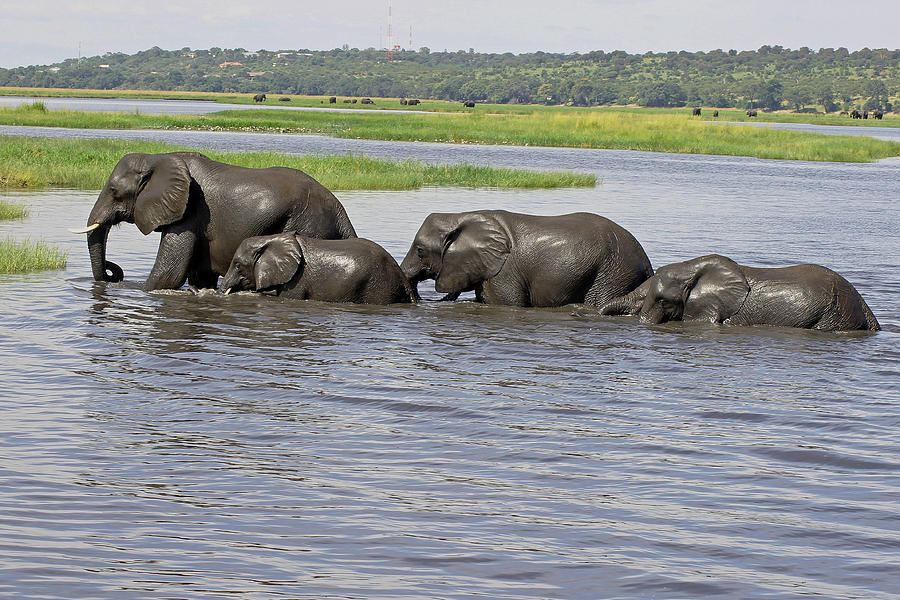
WildiZe has been an important partner for CARACAL providing funding for first class field laboratory sites outside of Chobe National Park that hold a large education center and field laboratory for understanding the Tuberculosis vector for human to wildlife population via mongoose and elephant.
Harrieth Charles is a success story. From SAMAWA at beginnings at age 9, she is now attending her third year in secondary school through a WildiZe Scholarship to the Baobab School in Bagomoyo, Tanzania
Kalacha Catholic Women's group was founded in 2000 with 30 members. They are a group of women brought together by their common religious beliefs in an area that is primarily Muslim or Christian. Their compound is in the village area of Kalacha next to the Catholic mission, however they are not associated nor assisted by the Mission. They have a small curio shop near to the Kalacha main tourist camp and to attract and discuss with tourists their goals and to raise funds.
WildiZe has provided funding to subsidize five groups of approximately 35 children each and ten teachers to the NaDEET Education center Namibrand Nature reserve.